must read

knowledge center

You and your company have spent years creating and refining your products to make them perfect. It’s a labor of love and we want the process of bringing your products to retail to be just as exciting (and less stressful!). At Crux, we move quickly, yet strategically, though proven steps that lead to a successful retail rollout.

Resonant Pixel Company Resonant Pixel Company

A weak physical presence isn’t just an aesthetic problem. It’s a revenue problem.

Multiple studies have found that over 60% of purchase decisions are made in the store, and many of those decisions happen while shoppers are comparing products at the shelf.

I hear this a lot from marketing teams trying to justify physical brand investment: “We know it matters, but it’s hard to put a number on it.”

I understand. Attribution is harder when you’re talking about a retail fixture than when you’re talking about a paid social campaign. But I want to push back on the framing because I think it’s causing brands to underinvest in a place where the math is actually knowable; they’re just not doing it.

A weak physical presence changes customer decisions, and that directly reduces revenue, even if it’s often underestimated or poorly measured.

What Does the Research Say?

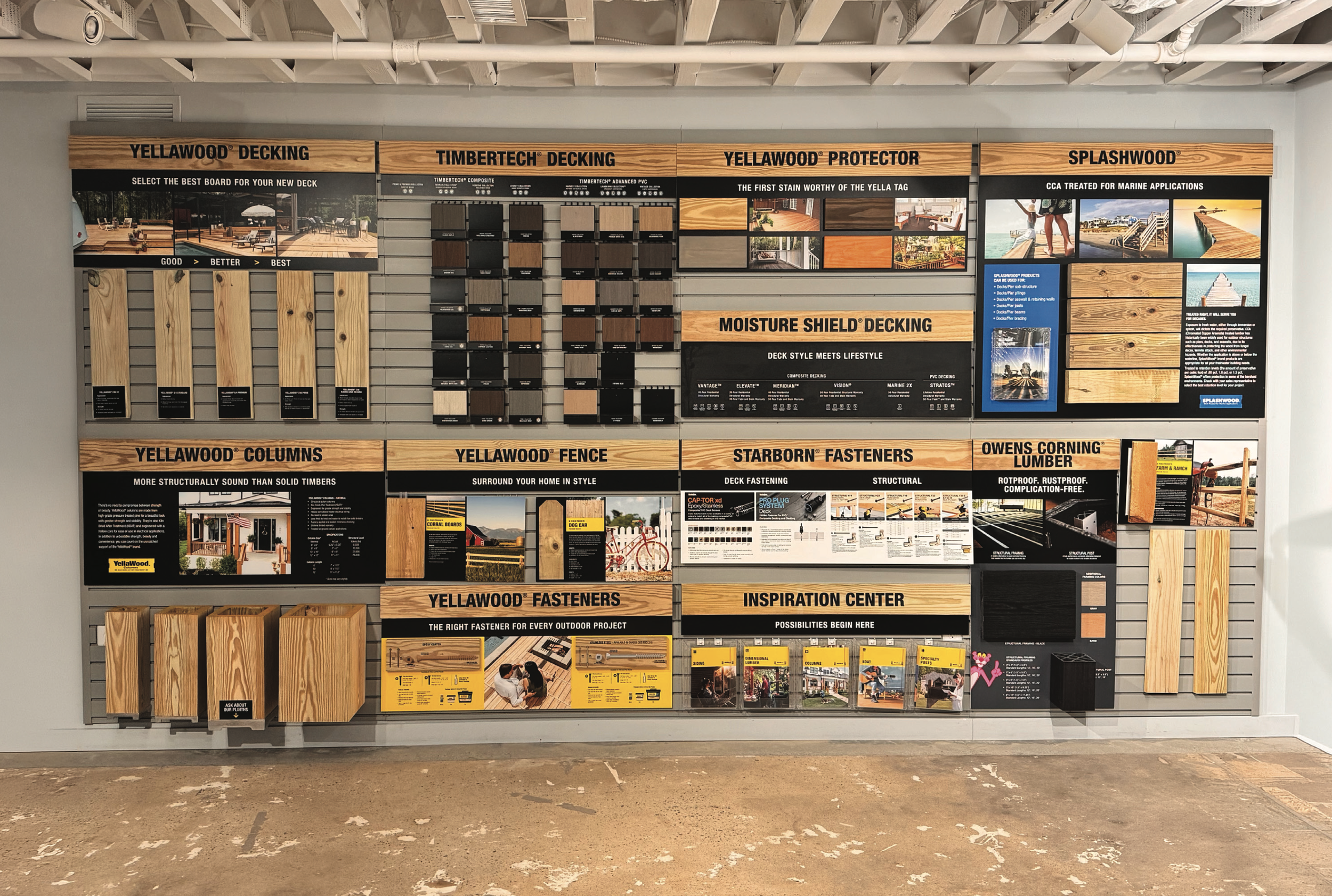
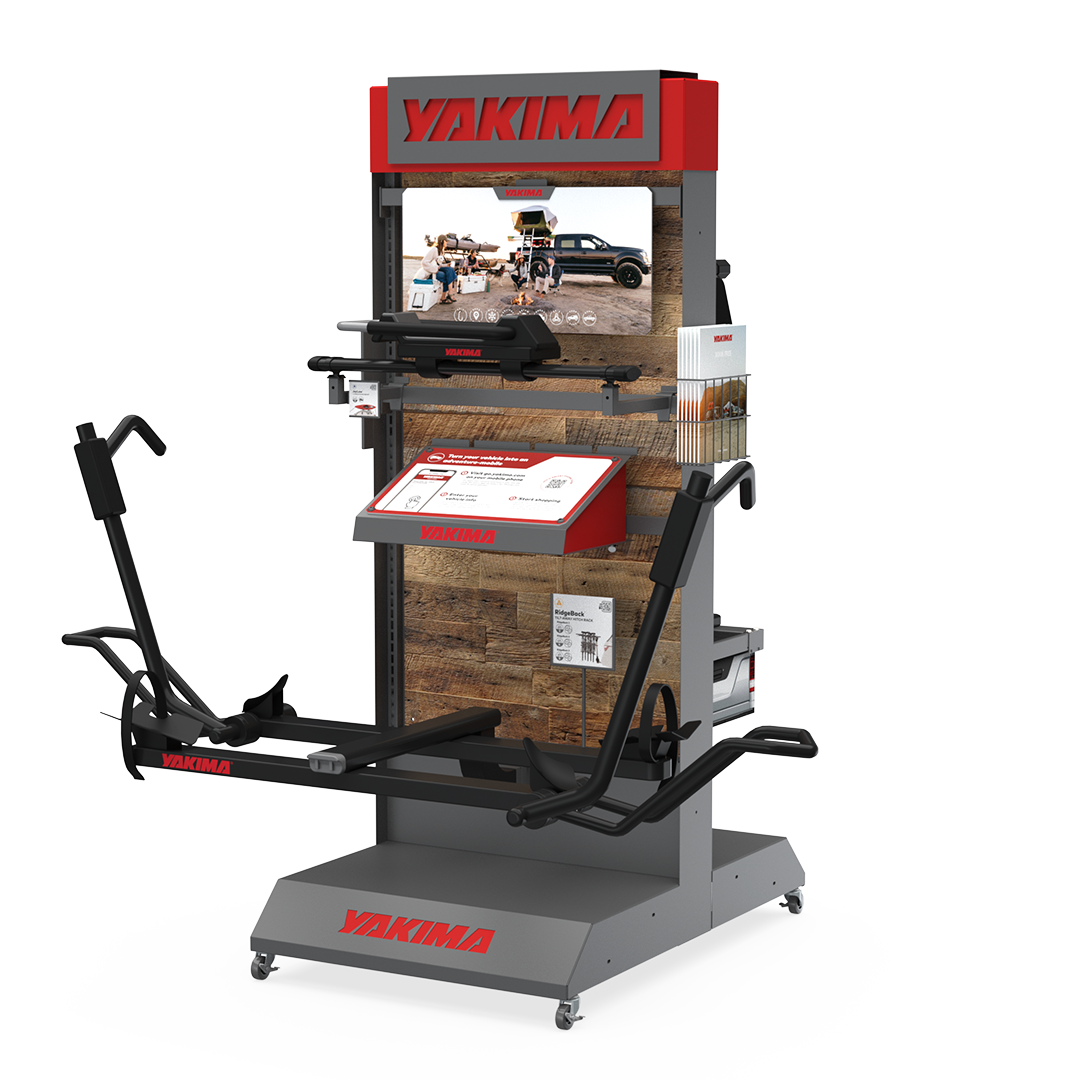
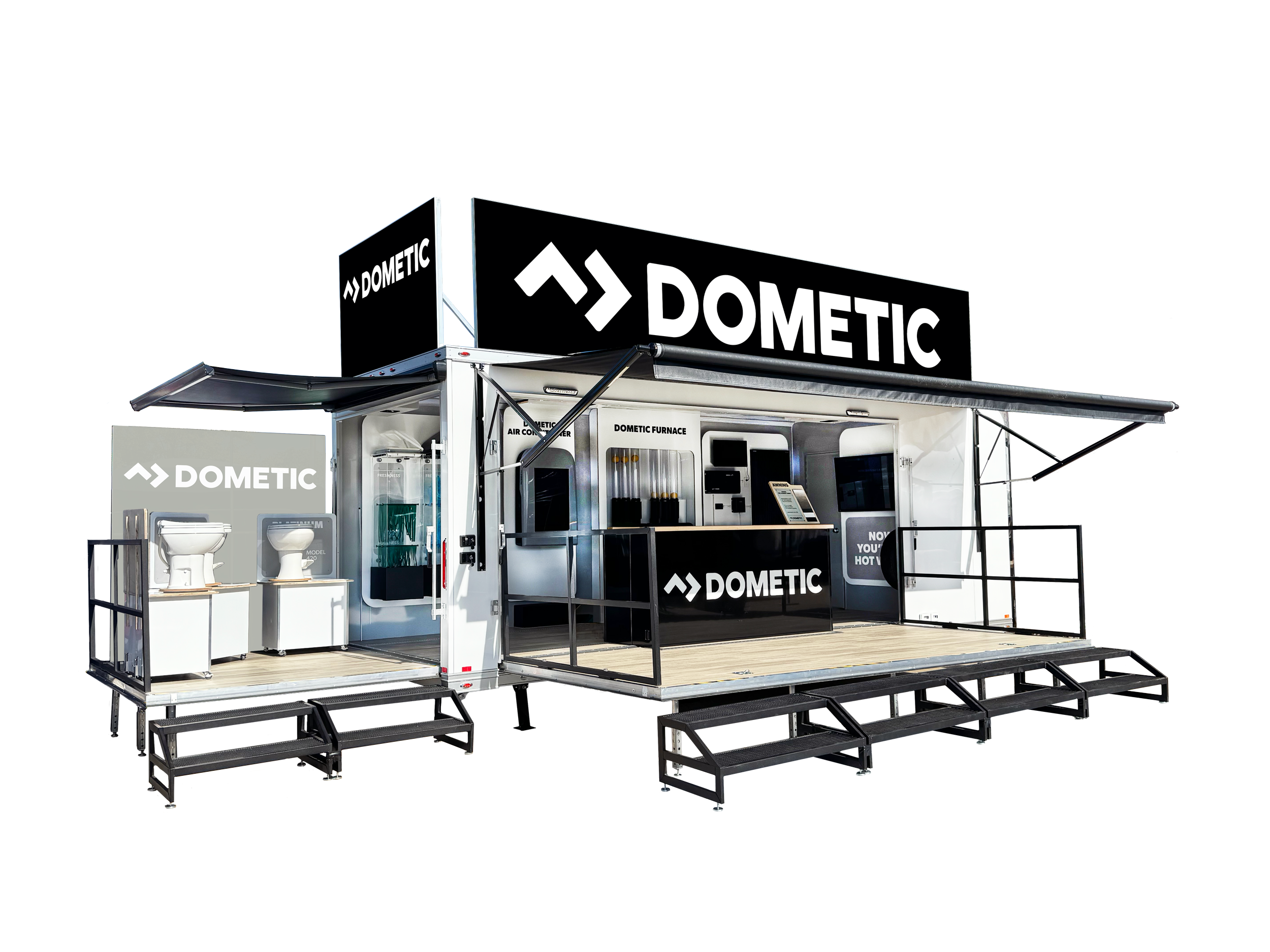
For most brands, retail revenue and in-store units sold rely solely on packaging and the retailer’s fixtures. What about the brands that invested in retail display programs? How much can your revenue grow, but, most importantly, how much are you currently leaving on the table?

A 2020 study published in the Journal of Business and Retail Management Research measured this exact question with eight products across 214 retail locations.

Results showed that products placed on special retail displays had 80% to 478% increase in sales versus the exact same product on the store’s shelf.

Research proves that retail displays are not just branding, they are a powerful sales driver that significantly changes buying behavior in-store.

Marketing Expense Investment

Start here: what are your in-store retail sales?

Next, there’s your marketing budget: media, digital, paid search, social, influencer, content, etc. All tactics are dictated by their effectiveness at driving awareness and acquisition through the funnel, with a percentage converting to sales.

Now, are you evaluating the investment of your product’s physical presence based on current sales? You should view the investment with a dynamic mindset, knowing that sales and revenue will increase significantly from a tactic that drives awareness at the point of sale.

The physical experience is a multiplier on the acquisition spend that preceded it. Brands optimize the acquisition obsessively and leave the multiplier to chance.

Physical retail presence should be seen as a revenue multiplier on all marketing spend, not just another expense tied to current sales.

The “Good Enough” Trap

There’s a comfortable place a lot of brands settle into, and it’s called “good enough.”

The display does the job. The booth is presentable. The fixtures are clean. Nothing is embarrassing.

The problem with “good enough” is that it optimizes for not being bad rather than for doing the actual job: taking someone who is already interested and making them certain.

There’s a meaningful difference between a consumer who walks past a display and thinks “that’s the brand I was looking at” and a consumer who stops, engages, and leaves feeling like they understand why this brand is worth it.

When shoppers pause long enough to engage with a product (i.e. touch it, see how it works, understand what makes it different), purchase likelihood increases. Behavioral economists often point to the Endowment Effect, the idea that people value something more once they physically interact with it.

The result is simple: the shoppers who stop and engage convert more often.

“Good enough” sometimes captures the consumer. A well-executed physical presence captures them reliably.

Brands lose conversions when they treat physical retail as “just acceptable,” instead of using it to actively influence and deepen customer engagement at the moment of decision.

The Numbers Brands are Missing

Retail is also where shoppers discover products they didn’t plan to buy. Multiple studies have found that over 60% of purchase decisions are made in-store, and many of those decisions occur while shoppers are comparing products on the shelf.

There’s a real and growing body of research on what physical brand quality does to business outcomes:

Dwell time at retail correlates directly with purchase conversion; the longer someone spends engaging with a display or environment, the more likely they are to buy. Environmental design drives dwell time.

Most buying decisions still happen in-store, and physical brand experience directly increases the time customers spend engaging, leading to higher purchase conversion.

Brand recall from experiential encounters significantly outperforms passive ones. The person who interacted with your brand physically remembers it differently from the person who saw your ad.

Dealer and partner confidence, how your brand shows up physically in their space, directly affects how hard they sell on your behalf. This is an undertracked downstream effect with real revenue implications.

These are not complicated numbers. What’s complicated is the organizational dynamic that allows physical brand execution to remain the responsibility of whoever has budget left over.

Reframing the Investment Question

The right question isn’t: “How do we justify spending on physical brand presence?”

The right question is: “What is the current cost of underinvesting in it?”

That reframe changes the conversation. Instead of proving that a better display is worth $X, you’re calculating what you’re losing every month on a physical presence that isn’t doing its job. Once you know that number, even a rough estimate, the investment case makes itself.

The conversation changes when you shift from justifying spend on physical presence to understanding what underinvestment is already costing in lost performance and sales.

The moment a marketing director stops arguing for a budget and starts showing leadership that not spending is the more expensive choice, the room changes. That’s when physical brand presence stops being a line item that gets cut and becomes a strategic priority that gets funded.

Read More