must read
knowledge center
You and your company have spent years creating and refining your products to make them perfect. It’s a labor of love and we want the process of bringing your products to retail to be just as exciting (and less stressful!). At Crux, we move quickly, yet strategically, though proven steps that lead to a successful retail rollout.
Your brand spends a fortune to get someone in the door. Then it disappears.
If someone already cares about your brand and shows up somewhere physical a store, a tradeshow, a dealer environment, an event what do they experience?
There’s a moment I keep coming back to.
A brand I worked with had just finished a strong product launch campaign. Good photography, sharp copy, solid media placement. The kind of campaign that garners praise on LinkedIn and moves the needle on awareness. They’d spent real money getting people to care, to search, to show up at retailers and ask about the product.
Then you walk into the store. There’s the product. On a shelf. With a label.
The space could have belonged to anyone.
The retail fixture was…there. The signage was functional at best. The shelf space communicated nothing about why this brand was different from the four others directly next to it.
All that consideration, all those impressions, that search behavior, that word-of-mouth landed on a shelf experience designed to hold product, not to convert belief into a purchase.
Great marketing can be lost at the shelf if the in-store experience doesn’t reinforce the brand and convert interest into purchase.
Shopper Perception vs. Shopper Experience
A brand isn’t built SKUs, seasonal promotions, or price points.
Brands are created through storytelling and connections. With dedicated teams sharing stories and fostering communities across websites, social media, and eblasts. Brands invest significant resources to influence shoppers’ perception.
So, it’s assumed that your digital brand equity would be enough to convert an in-store customer, right?
According to EY’s 2024 Future Consumer Index, 57% of shoppers want to see, touch, and feel products before a purchase.
With a majority of shoppers still in the decision stage on the retail floor, brands need experts who can continue their story through tactile shopping experiences.
Brand perception built online doesn’t guarantee in-store conversion, because most shoppers still need physical, hands-on experiences to make their final purchase decision.
The Handoff Problem
Marketing has a sophisticated vocabulary for what happens when someone engages with a brand online. Click-through rates. Conversion. Attribution models. Brands measure these things obsessively, and rightly so.
But there’s a moment that most attribution models don’t track: the moment when someone who already believes in your brand experiences it in person and either has that belief confirmed (“yeah, this tracks”) or starts to slip (“why do they have it on the bottom shelf?”).
That moment has no click event. No conversion pixel. It lives in the gap between the digital investment and the physical encounter. In most brand marketing budgets, nobody owns it.
The team that runs digital doesn’t build retail displays. The brand team that designs packaging doesn’t control how it’s presented in store. The field sales team negotiating shelf placement doesn’t have a budget for environmental design. So the physical encounter the thing that either closes the loop or breaks it gets handled by whoever has budget left over.
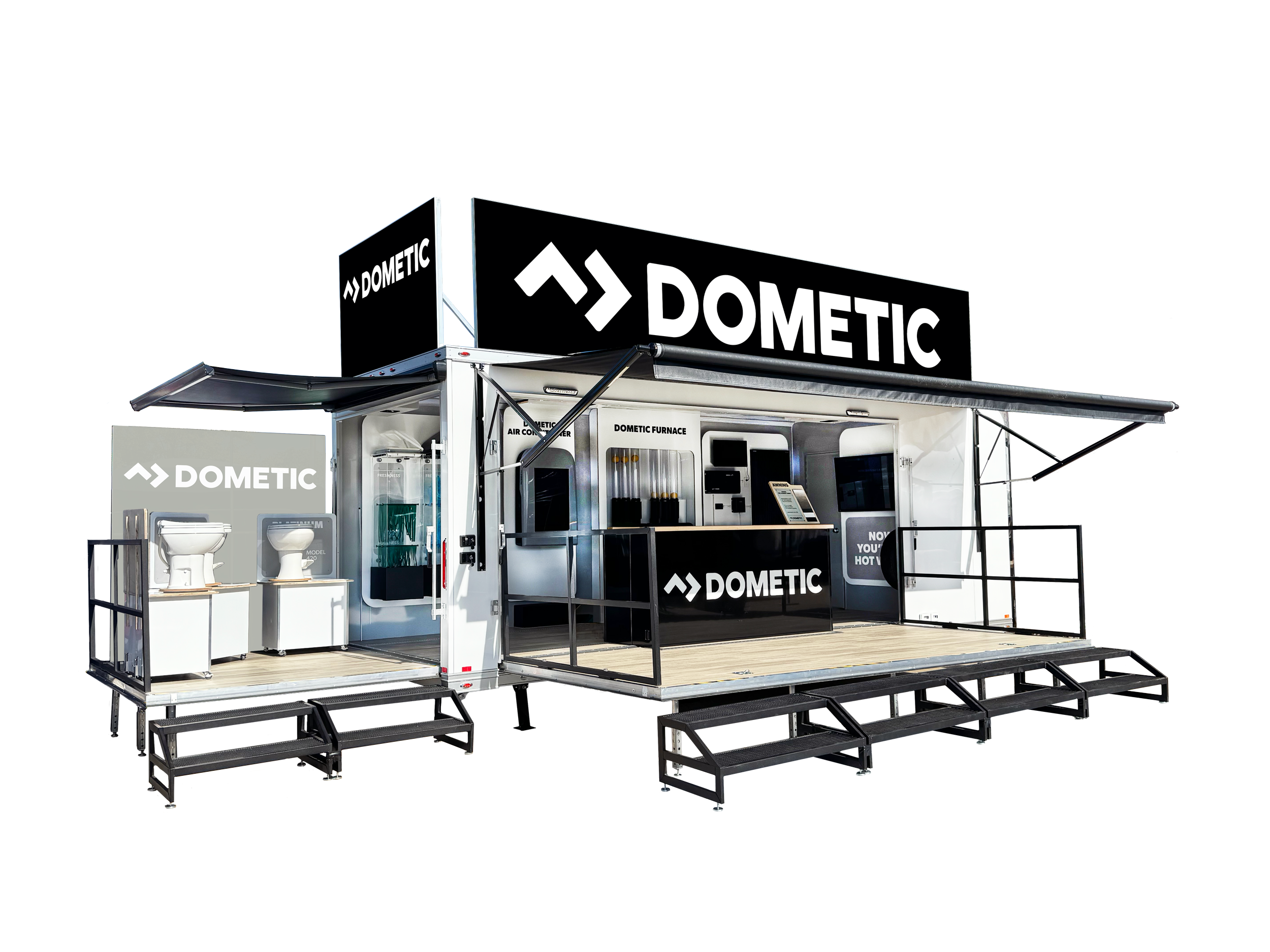
The result is displays that hold product but don’t speak for the brand. Tradeshow booths that fill space but don’t pull anyone in. Dealer environments where a brand’s story is told by a product hanging on a peg hook and a price sticker.
There’s a gap between online marketing and the in-store experience, and when no one owns that transition, the brand story breaks at the point where customers make their final decision.
The Hidden Cost of the Handoff
If a consumer clicks an ad, they have intent or curiosity. When they walk into a store and encounter your product sitting on a shelf that fails to differentiate it, that intent doesn’t automatically carry over. The brand that earned the consideration online doesn’t automatically earn the purchase. The physical encounter does.
The acquisition cost is sunk. The conversion didn’t happen. And the brand has paid for that consumer’s attention twice once to get them there, and once through the lost sale.
For brands with meaningful retail presence or dealer networks, the compounding effect is significant. Multiply the conversion gap across thousands of store locations or hundreds of dealer showrooms, and you’re looking at a drag on marketing ROI that nobody is measuring because nobody has named it.
What It Looks Like When The Handoff Works
I’ve had the privilege of working on projects where the physical encounter was designed to carry the weight of the brand’s belief, not just display the product.
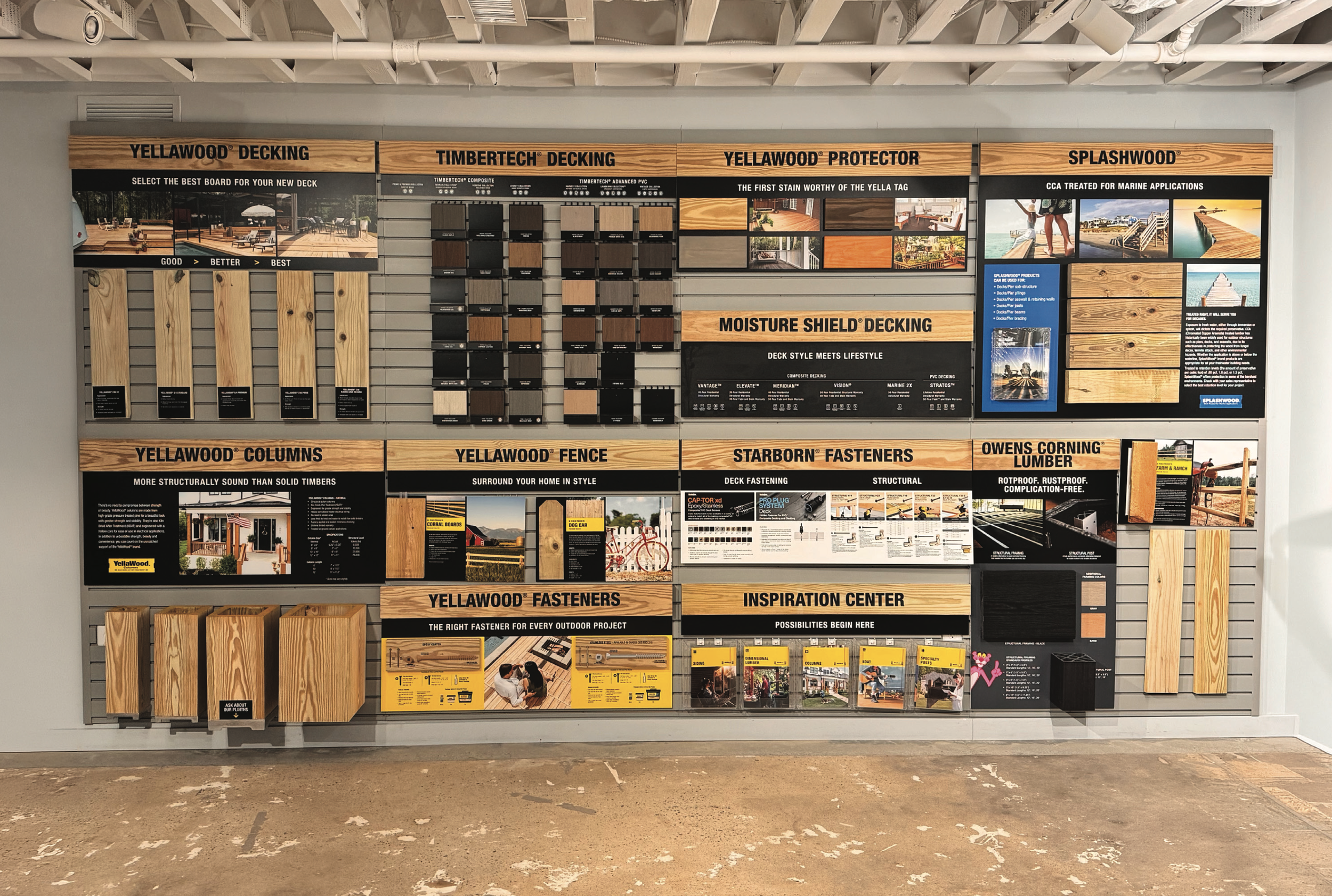
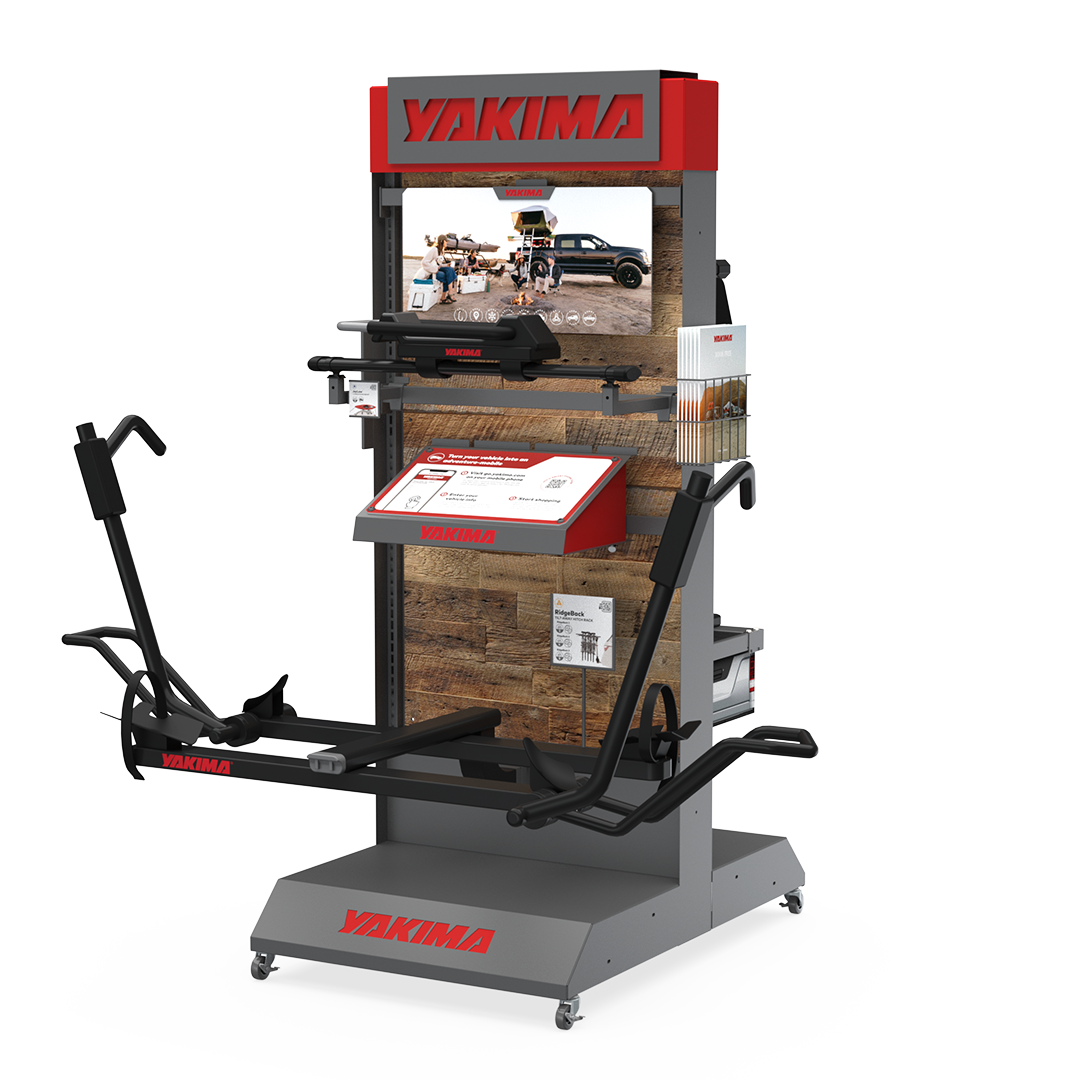
A dealer experience we built for an outdoor brand wasn’t designed to hold product. It was designed to make a dealer feel something to feel like the brand understood their customers better than the competition did, and that partnering with this brand meant something beyond margin.
Dealers who walked through that environment came out talking about the brand differently. Sales teams reported higher dealer engagement in the months that followed. The physical thing we built did something a catalog couldn’t: it made the brand’s belief about itself something a person could stand inside and feel.
That’s not an accident. It’s the result of designing the physical encounter with the same rigor and investment that goes into the digital one.
Brand perception built online doesn’t guarantee in-store conversion, because most shoppers still need physical, hands-on experiences to make their final purchase decision.
The Question Worth Sitting With
If someone already cares about your brand and shows up somewhere physical a store, a tradeshow, a dealer environment, an event, what do they experience?
Does that experience confirm their belief? Does it add something the digital campaign couldn’t? Does it close the loop?
Or does it make them wonder if the brand they fell for online is the same one standing in front of them?
If the answer is uncomfortable, it’s also fixable. And fixing it isn’t a luxury it’s where the marketing spend you’re already making starts doing its job all the way to the end.