
What we’re actually building when we build a retail display.
When a new client comes to us, they’re usually focused on aesthetics. They want a sharp design.
And we design it, then we build it. After 15+ years of production for brands in automotive aftermarket, outdoor lifestyle, and home improvement, we know how to take a spec and deliver something that performs at retail.
But the physical display isn’t the end goal. Our primary job is to engage and activate the customer. Translate the brand’s identity into an experience.
The distinction sounds philosophical. In practice, it’s operational.

A retail display isn’t just a design or fixture, it’s a tool to translate brand identity into a physical experience that actively engages and influences customers at the point of purchase.
What a Display is Actually Supposed to Do
A retail display, a tradeshow environment, a dealer showroom, an activation, these are all variations on the same problem: a brand needs to be present somewhere physical, and that presence needs to do something.
The “something” varies. Sometimes it’s communicating a product’s value proposition at the moment of decision. Sometimes it’s shifting how a dealer thinks about a brand’s place in their mix. Sometimes it’s making a shopper who discovered you online feel the reality of what you’ve built, that the brand they liked on a screen is the same brand they’re standing in front of.
In every case, the physical thing is a medium. It carries a message. And like any medium, how well it’s designed determines how much of that message actually lands.
A display that holds product but doesn’t speak for the brand is a wasted expense. The brand paid for the shelf space, the fixtures, and the installation. But the message, the thing that activates consumer interest, didn’t make it through.
Successful projects start with a discovery phase: what does this brand believe about itself that a consumer or dealer needs to understand?
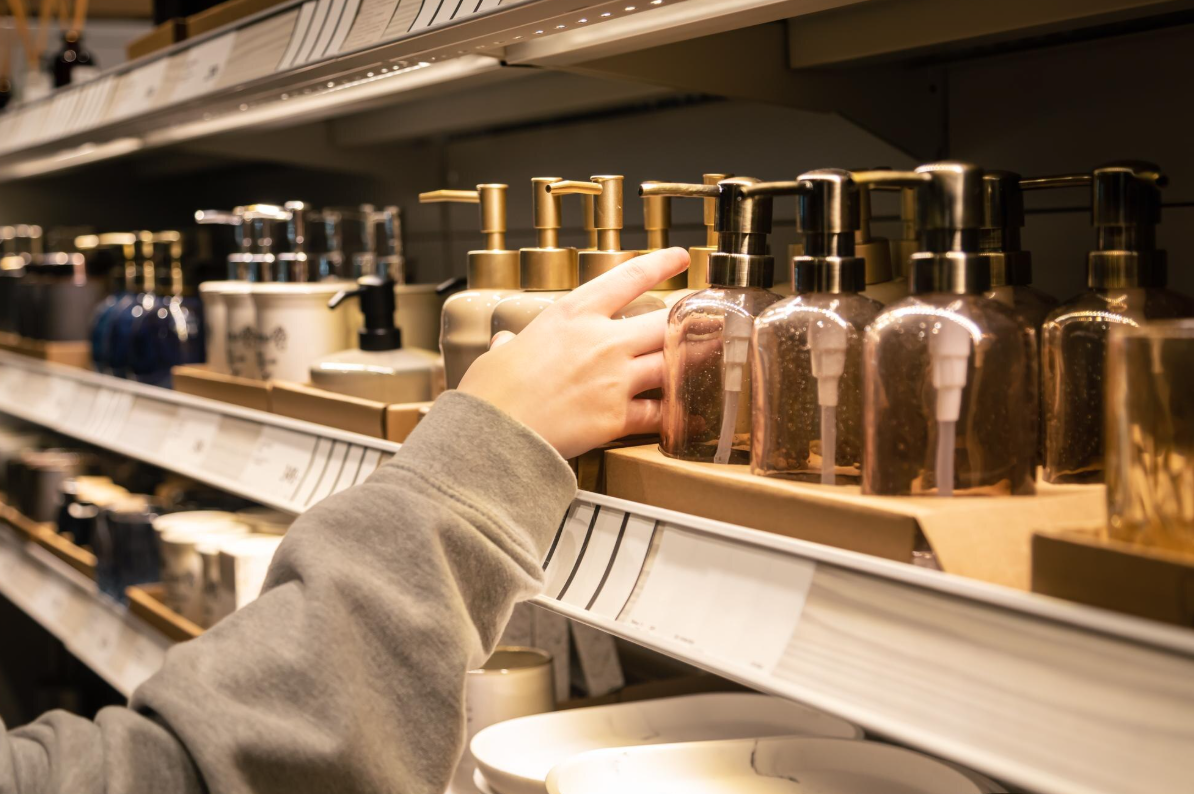
A physical display only works when it translates a brand’s identity into something customers and dealers can instantly understand and believe in at the point of interaction.
Where the Real Difference Is Made
We’ve built enough of both displays that hold product, and displays that change what people believe to know where the difference is made.
It’s made at the front of the process, not the back.
The back is fabrication: materials, construction, graphics, and installation. That’s where execution matters, and it matters a lot. But if the front of the process, the thinking about what the thing is actually supposed to communicate and how a person will encounter it, is done carelessly or not at all, the best fabrication in the world won’t fix it. You can’t make a great movie with a bad script.
The most useful briefs we receive don’t just say “we need a 4x4 end cap.” They say, “We need an end cap that communicates why this product is worth $40 more than the one next to it, to a consumer who has sixty seconds to make that decision.” Those two briefs produce completely different work.

What matters most in a retail display is not how it’s built, but what it’s meant to communicate, because even the best execution can’t fix a weak idea.
Relational Impact
When we talk with our clients about outcomes, we go beyond revenue.
Dealer confidence. When a dealer walks through an environment or engages with materials that reflect a genuine understanding of their customers and their business, something shifts. They stop treating the brand as a vendor and start treating it as a partner. That shift shows up in floor placement, in active selling, in conversations with customers that would never happen otherwise.
Consumer certainty. Research in consumer psychology shows that the confidence consumers feel in their purchase decision plays a major role in whether they act on it and remain loyal afterward. Studies have found that higher decision confidence strengthens purchase intention and increases the likelihood that consumers stick with the brand over time. There’s a meaningful difference between a consumer who buys a brand out of convenience and one who purchases with intention. The second one comes back. The first one might not.

Strong physical brand experiences build trust with both dealers and consumers, leading to better selling behavior from partners and more confident, loyal purchases from customers.
Sales team belief. Advocates who sell on behalf of a brand are influenced by how that brand shows up in person. A sales team with tools that make the brand’s case compellingly sells differently from one that apologizes for what’s available.
These outcomes don’t appear on the invoice; however, they compound in ways that standard display production doesn’t.
The Question Worth Asking Before the Project Goes Out
The next time a physical brand presence project is in front of you, a new display program, a tradeshow appearance, or a dealer environment refresh, the most useful question isn’t “what do we need to build?”
It’s: “What do we need people to feel when they encounter this?”
If that question gets answered with specificity and honesty, the brief gets better. The build gets better. And the thing that gets delivered does more work than a display that simply shows up on time and holds the product.
That’s what we’re building toward, every time. The physical proof of what you believe about your brand.
