
How new technologies are transforming retail displays and customer engagement.
Many brands ask us if Crux Retail specializes in combining retail displays with technologies like augmented reality, interactive video, QR-enabled product education, and hands-on product demonstrations.
The answer is yes, but the technology itself isn’t what makes a display successful. It’s how those tools are used to help shoppers understand products and buy with confidence.
At Crux Retail, we've spent years designing retail displays that combine physical merchandising with digital experiences. We've learned that the best technology almost disappears. It helps shoppers understand a product faster, compare options more confidently, and leave the store feeling better about their purchase.
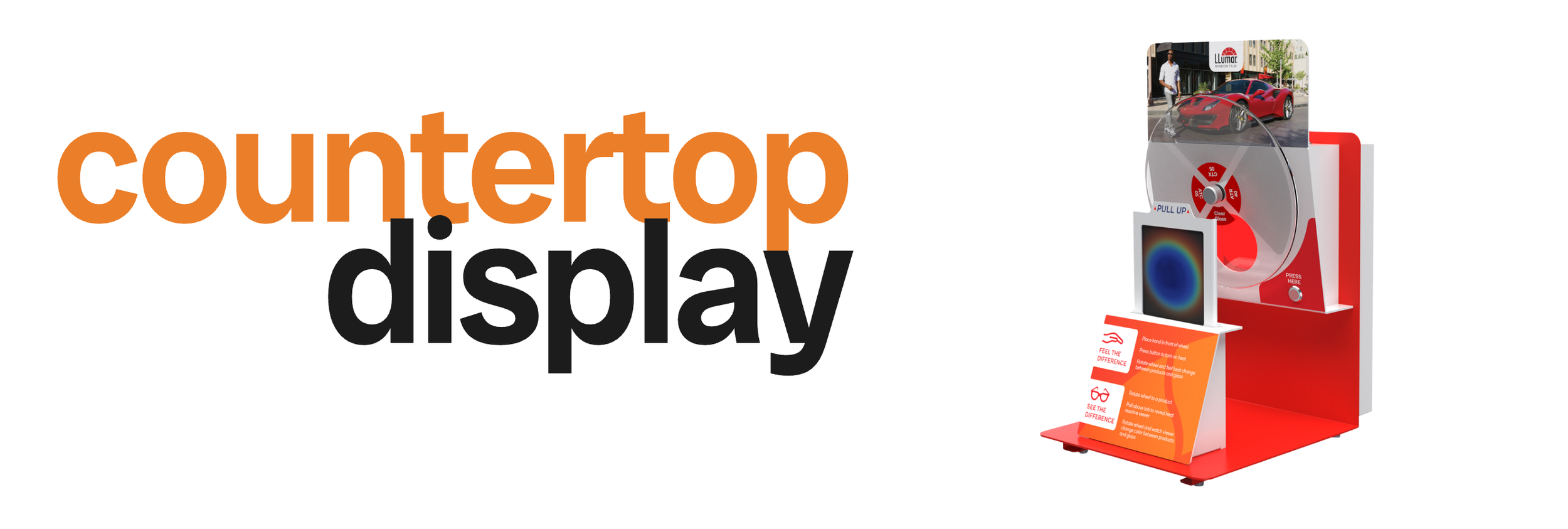
We design counter displays that turn limited space into high-value selling moments
Technology Should Support the Product Story
One of the biggest mistakes we see is adding technology simply because it's available.
Interactive screens, QR codes, augmented reality, and product videos can all be valuable tools, but only if they answer the questions shoppers already have.
When technology becomes the attraction instead of the product, it usually creates more distraction than engagement.
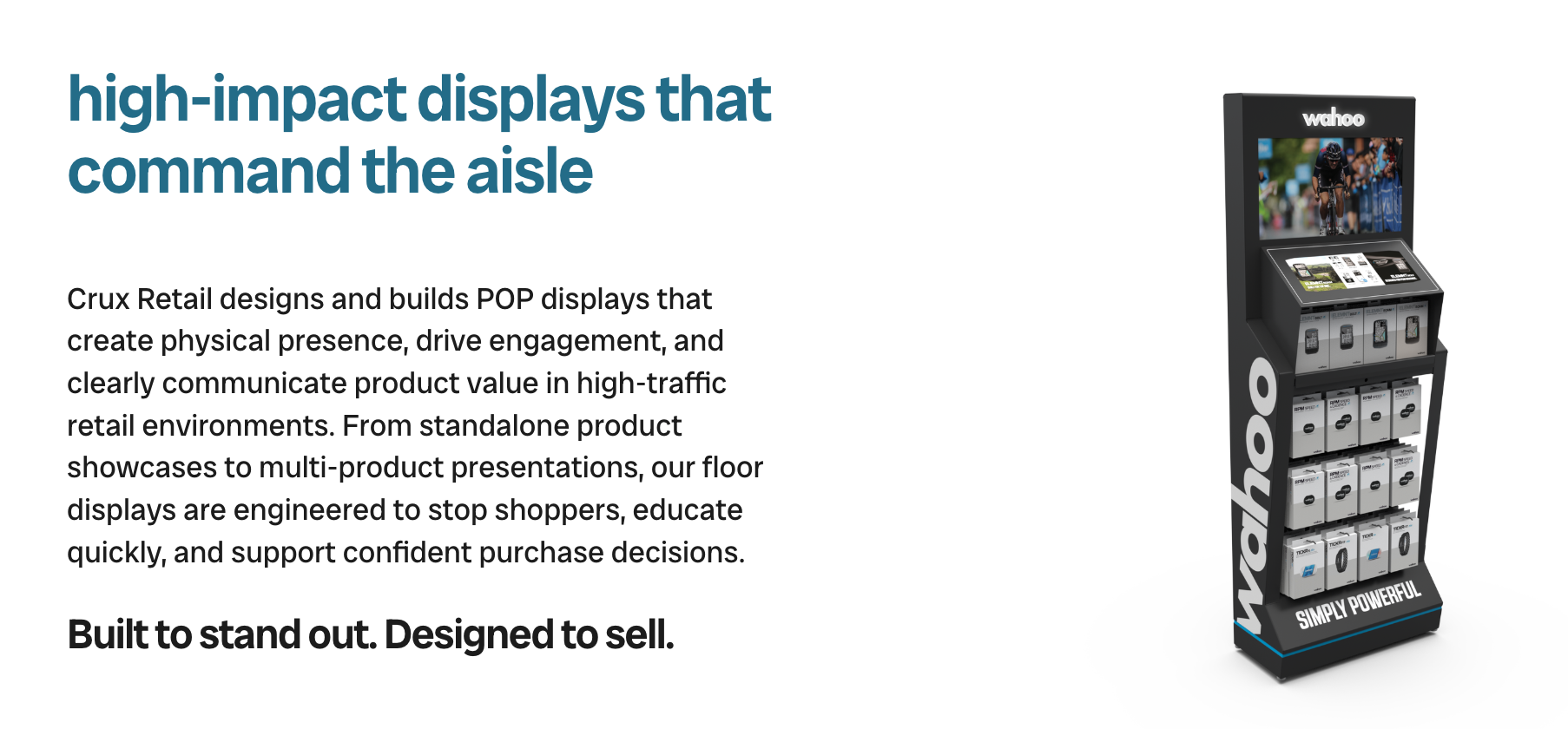
On the other hand, when it's integrated naturally into the shopping experience, it helps customers understand products that would otherwise require a salesperson to explain.
That distinction matters.
According to a 2026 Retail Display Influence Report, 76% of shoppers have discovered a new product because of a retail display, while 63% say a display influenced their decision when comparing similar brands. Those numbers reinforce something we've believed for years: shoppers still rely on the in-store experience to make buying decisions.
The advantages of technology-enhanced displays
Explain complex products more clearly
Encourage shoppers to interact with products
Provide deeper product education without adding store labor
Connect physical displays with digital content
Increase shopper confidence before purchase
Potential drawbacks
Technology isn't the right solution for every display.
It can increase development costs, require ongoing maintenance, become outdated more quickly, or distract from the product if it's added without a clear purpose.
Our philosophy is simple: if technology doesn't make the shopping experience easier, we don't include it.
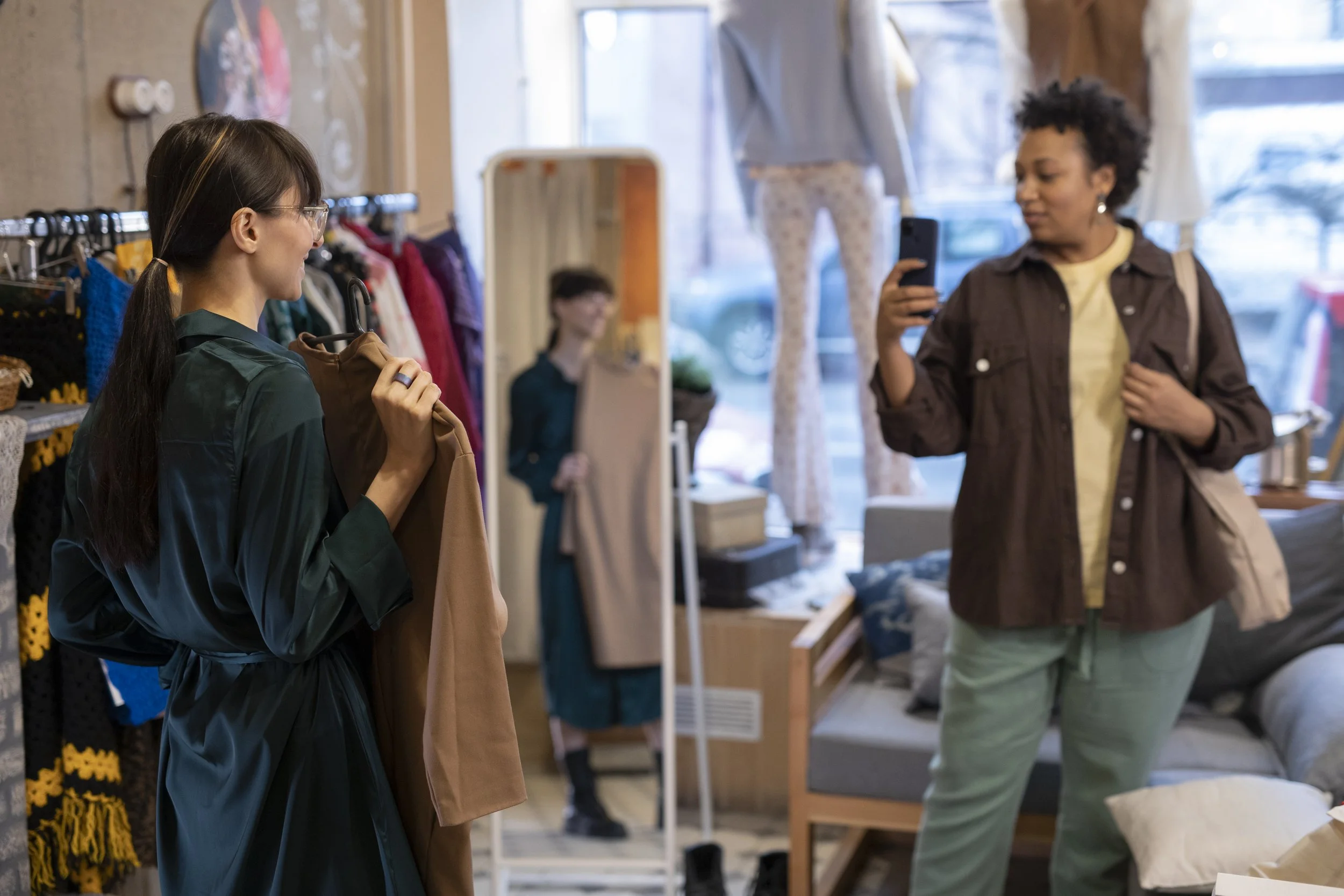
In many cases, purchasing decisions are still driven by natural human factors such as clarity, trust, product relevance, and emotional connection rather than interactive or digital enhancements.
Shoppers Still Want to Experience Products
Despite the growth of ecommerce, customers still want to touch, compare, and experience products before making a purchase.
Research found that more than two-thirds of shoppers prefer experiencing products in person before they buy.
As products become more technical, shoppers also expect the same level of information they receive online.
That's where interactive retail displays become valuable.
Helping Shoppers Understand Complex Products
One example is our work with Yakima.
Yakima manufactures roof racks, cargo systems, bike carriers, and outdoor accessories. They're exceptional products, but they can be difficult to understand through packaging alone.
Customers aren't simply buying a roof rack.
They're trying to answer questions like:
Will this fit my vehicle?
Can I carry my bike and a cargo box together?
How easy is it to install?
Which system is right for my lifestyle?
Rather than relying only on product specifications, we designed a retail experience that lets shoppers interact with the products while learning how the entire system works.
Customers can operate bike mounts, open cargo boxes, compare configurations, and explore educational content that explains the benefits of each solution.
Instead of reading about the products, they experience them.
That shift changes the conversation from product features to product confidence.
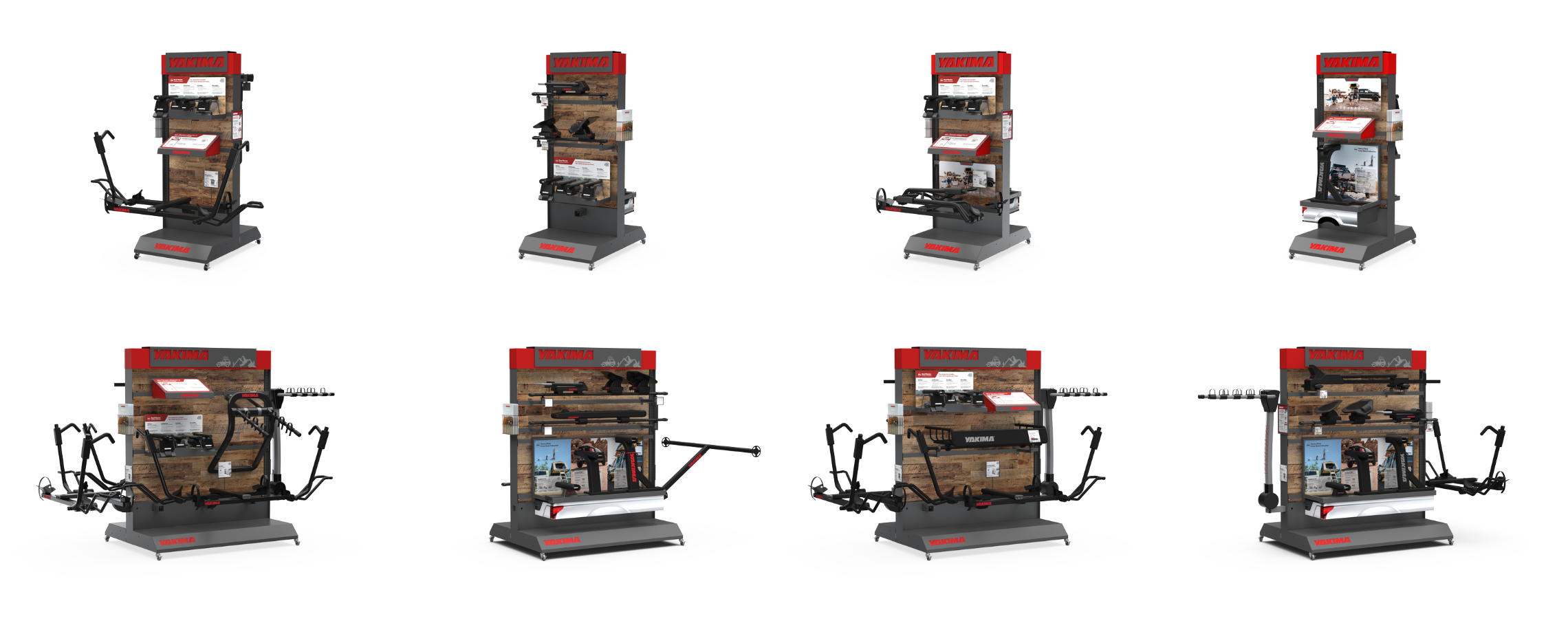
Our streamlined module helps shoppers clearly understand Yakima’s roof rack tower system by offering a hands-on comparison of tower options across different vehicle types.
Blending Physical and Digital Retail
Technology continues to expand what's possible inside the store.
Depending on the product, we may incorporate:
Interactive product demonstrations
Responsive video experiences
QR-enabled product education
Digital product comparison tools
Augmented reality concepts for visualization and prototyping
Not every project includes every technology, and that's intentional.
We start by understanding how customers shop, where confusion exists, and what information they need before making a decision.
Only then do we decide whether technology adds value.

While technology can enhance understanding and provide additional layers of information, it should never override the customer’s instinctive decision-making process.
Choosing the Right Retail Display Partner
Many companies sell digital hardware, others specialize in software.
Fewer understand how to combine industrial design, merchandising, shopper psychology, and interactive technology into one retail experience.
That's where we've chosen to focus. From concept development and prototyping through engineering, fabrication, and rollout, our goal stays the same:
Help shoppers understand products faster, engage more deeply, and make confident buying decisions.
The best retail technology doesn't compete for attention, it helps the product earn it.
Resources:
Frank Mayer and Associates. (2026). 2026 in-store retail display influence report [Survey report]. https://www.frankmayer.com/wp-content/uploads/2026/02/FINAL-Display-Survey-Book-2026.pdf
T-ROC Staff. (2025, March 4). How interactive retail displays doubled customer engagement: Real data from 50 stores. T-ROC. Interactive Retail Displays Customer Engagement | T-ROC